
Why Phantom Wallet’s Browser Extension Feels Like the Right Fit for Solana
Whoa! I opened my browser last week and the whole Solana tab felt more alive than usual. My first impression was simple: smooth, fast, and less clunky than some older wallets I’ve used. Honestly, my instinct said this would be another pretty UI with hidden annoyances. Initially I thought that, but after poking around I changed my mind. The extension balances ease and power in ways that surprised me—though it still has rough edges that bug me sometimes.
Okay, so check this out—Phantom isn’t just a place to store SOL. It acts like your key manager, NFT gallery, and dApp passport all in one spot. Seriously? Yes. It signs transactions without feeling like you’re handing over the keys to the kingdom. On one hand the UX hides complexity well; on the other hand you still need a basic understanding of wallets to avoid costly mistakes. I’m biased toward clean design, so that matters to me.
Installing a wallet extension is a weird mix of trust and risk. Hmm… you want convenience. You also want guarantees that you’re not installing a phishing clone. Here’s where cautious habits pay off. I always verify the extension source, check store reviews, and cross-check the developer name. Over time, those small checks have saved me from ugly mistakes.
For anyone installing Phantom for the first time, a few practical notes: back up your seed phrase offline, enable biometric or OS-level locking if available, and never paste your seed or private key into websites. Really? Yes—I’ve seen people do that at meetups. Don’t be them. Also, be aware that extensions are inherently exposed to browser-level threats, so keeping your browser and extensions updated is very very important.
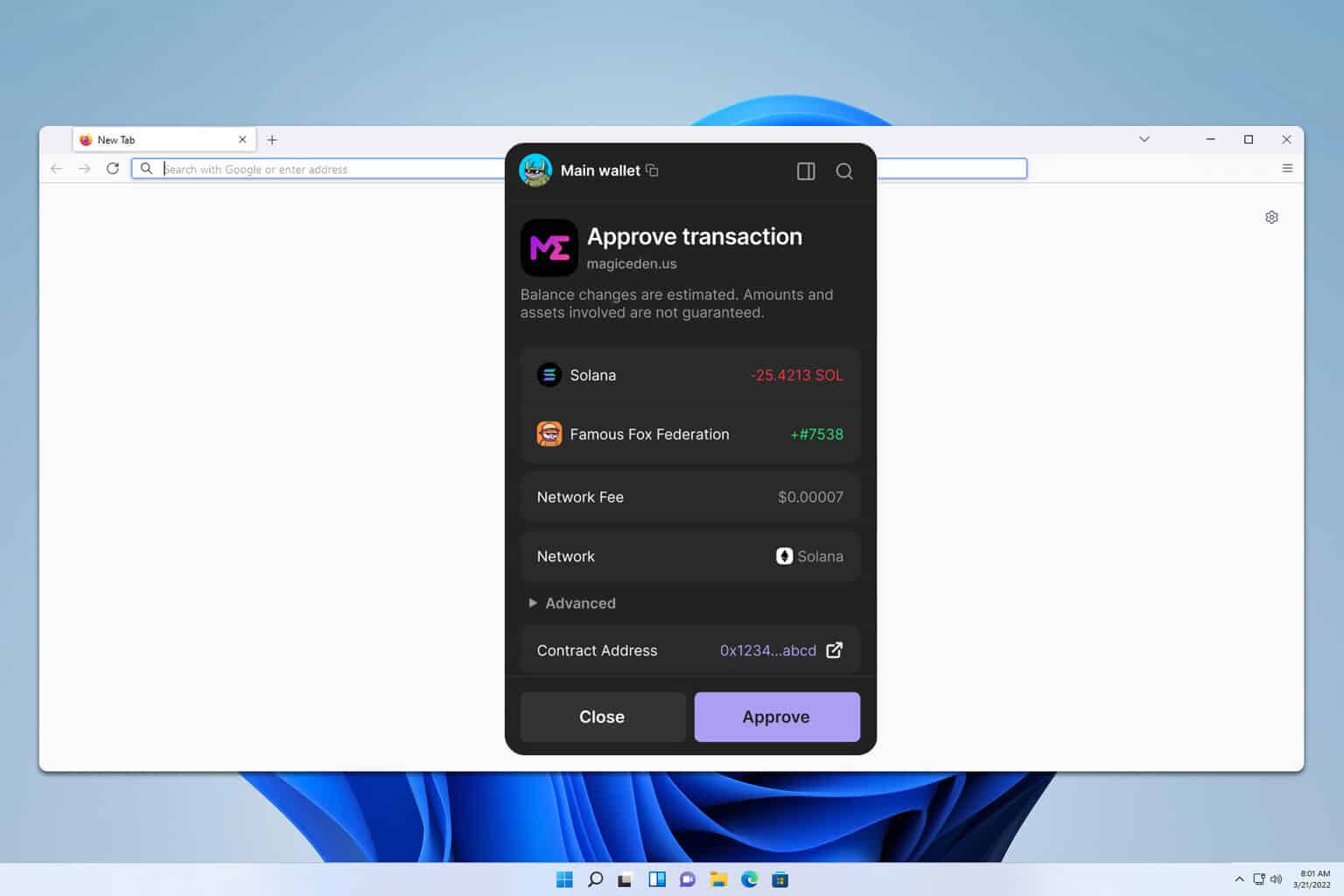
Where to get the Phantom extension
If you want the extension, get it from a trusted source and cross-check before you click. For a quick reference you can find the extension download here. I’m not telling you to skip due diligence though—double-check the store listing and developer name, and read recent reviews.
Here’s what I liked right away: setup is fast, the UI is uncluttered, and transaction confirmations are clear. My head says “great” when a wallet reduces friction. My gut says “watch for prompts” whenever a dApp asks to connect. On balance, Phantom does a good job prompting you for permissions in ways that are understandable. Still, some permission dialogs could use more context—especially for contract interactions that might look routine but perform multiple steps behind the scenes.
One small gripe—notification behavior can be inconsistent across browsers. On Brave it felt tight; on Chrome a prompt popped behind the window once. Somethin’ to keep an eye on. Also, if you rely on multiple accounts, switching can feel a touch fiddly. Not dealbreaking, though—just a usability nit that surfaces when you’re juggling wallets.
Security checklist I’ve developed through trial and error:
– Seed phrase: write it down, store it offline. No screenshots. No cloud notes.
– Extensions: only install from the official browser store or verified sources.
– Phishing: check domain names, avoid links in DMs, and hover before you click.
– Backups: export accounts only when necessary, and consider cold storage for large holdings.
One practical workflow that helps me: use Phantom for daily interactions and small trades, and move larger holdings to a hardware wallet or cold wallet. On the rare occasion I did a large transfer straight from an extension, my heart raced—seriously—and I reassessed my habits afterward. That change saved me from potential regret.
For developers and power users who interact with dApps, Phantom provides dev-friendly features like custom RPC endpoints and program signing prompts. Initially I thought those features were for nerds only, but they help troubleshoot network issues and testnet workflows, so they’re handy. On the flip side, if you’re not careful you can misconfigure an endpoint and think the app is down when it’s actually your RPC. Hmm—been there.
Performance-wise, Solana’s speed complements Phantom well. Transactions feel almost instantaneous most of the time, which changes how you think about wallet interactions. It’s freeing to click and move on. Though actually, wait—sometimes the Solana network has hiccups and fees can spike in rare moments, so don’t assume everything will always be cheap and instant.
If you’re new to NFTs, Phantom’s visual gallery is a neat way to organize your collection without adding extra tools. It displays art, metadata, and basic provenance in a compact way. That said, for deep provenance checks you’ll still want to use a block explorer or a dedicated marketplace—Phantom gives you a jumpstart, not a full audit.
Pro tip: enable hardware wallet integration if you hold meaningful value. It adds an extra step, yes, but that step makes unauthorized transactions far less likely. I’m not 100% sure everyone needs a Ledger or similar device, but for long-term holdings it’s one of those choices I now recommend more often than not.
FAQ
Is Phantom safe to use?
Generally yes, if you follow basic security habits: source the extension carefully, keep your seed phrase offline, and use hardware wallets for large balances. No tool is bulletproof, but Phantom is widely used and well-regarded in the Solana ecosystem.
Can I recover my wallet if I lose my device?
Yes—your seed phrase restores access. That makes the seed phrase the single most critical thing to protect. Write it down, and store it somewhere safe and separate from your computer.
What if I see a weird transaction popup?
Pause. Read the request. Check the dApp and the transaction details in the extension before approving. If something looks unfamiliar, reject and research—it’s better to be slow than sorry.
